Deadly Australia
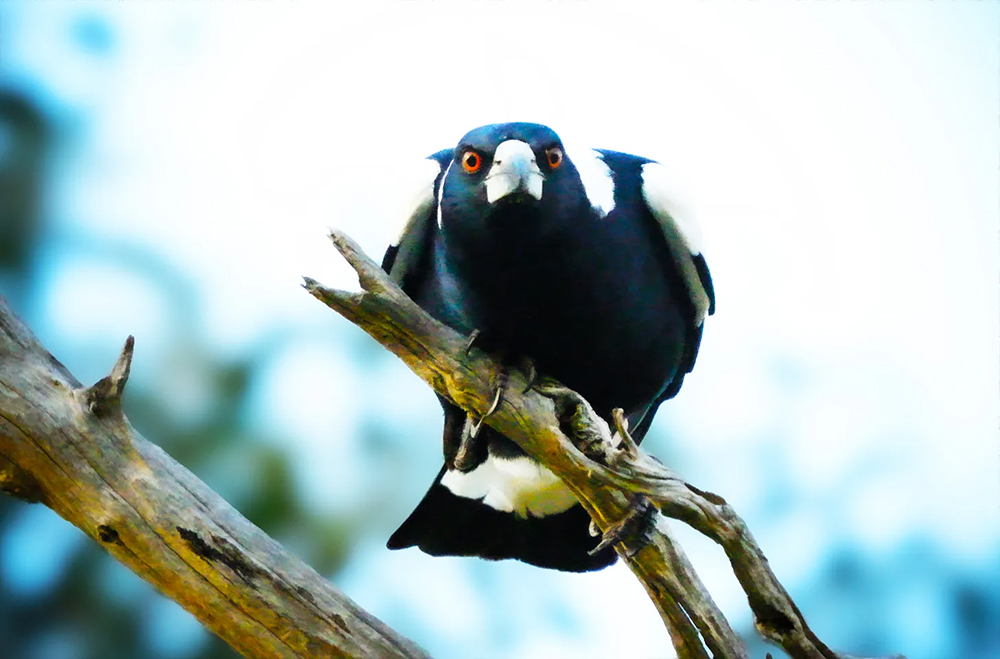
I’m no “Steve Irwin, Crocodile Hunter,” or “Paul Hogan, Crocodile Dundee,”, but everywhere I go on this planet, almost everyone I meet has heard something about how dangerous it is in Australia. This country is globally renowned for its unique and often deadly wildlife, with creatures far more famous or infamous than the ready-to-attack magpie shown above.
My native country is home to most of the world’s deadliest snakes, including the Inland Taipan, which holds the record for the most toxic venom of any snake on Earth, and the highly aggressive Eastern Brown Snake, responsible for the majority of snakebite deaths in Australia. Beyond the snakes, the surrounding oceans host formidable predators. The Great White Shark patrols the coastal waters, and the venomous Box Jellyfish and Irukandji Jellyfish possess toxins so potent that their stings are among the most lethal known to science, making swimming in tropical waters during summer a serious risk.
Of course, no “wised up” traveler in the northerly parts of Australia swims in the ocean or rivers or even water holes because of the likelihood of crocodiles being present.
The country’s notoriety also stems from its impressive array of venomous arthropods and marine life. Spiders like the Sydney Funnel-web Spider are legendary for their aggressive nature and fast-acting, lethal venom, although antivenom has dramatically reduced fatalities.
Out in the scrub, the bizarre-looking Platypus, while iconic, is one of the few venomous mammals; the males possess a sharp spur on their hind leg that can deliver a painful, debilitating venom.
On the coast, the tiny, seemingly innocuous Blue-ringed Octopus carries enough venom to kill an adult human, often going unnoticed until its deadly bite. All these animals contribute to Australia’s fearsome reputation as a land of beautiful yet treacherous nature.
However, having lived here all my life, I have never been bitten by a spider, or a snake, or a shark, or a jellyfish, a platypus, or a crocodile. But I have felt the claws of magpies over the years, and been swooped upon, with surprise attacks out of the sky on countless occasions.
Beware the Danger: What Google Doesn’t Know Might Still Hurt You
On this return home I even had the unique experience of being attacked simultaneously and repeatedly by half a dozen diligent warrior magpies. That’s something that I had never experienced. In fact, no one that I have since spoken to has had or heard of that experience. Further, according to Google Search, there is no record of such an occurrence, which is completely outside the usual swooping attacks of magpies.1
Report from Google: “While there are thousands of reported magpie swooping incidents in Australia each year, and the experience can feel like an onslaught, the typical behavior during nesting season is for a single male magpie to defend his territory. The aggression is almost always carried out by the resident male of a breeding pair, and studies indicate that in virtually all cases (97.5%), only the male is involved in attacking humans. * Therefore, an attack by five or six different magpies simultaneously on one person is highly unlikely and is not the typical behavior recorded by wildlife experts.
However, a single, particularly aggressive magpie may perform repeated, sustained swoops on the same individual in a short period. For example, some reports detail a person being swooped “repeatedly around five or more times in a row” by one bird. Furthermore, because magpies are highly intelligent and can remember individual human faces, a person can be singled out and targeted by the same bird on multiple, consecutive days or even across different swooping seasons, creating the feeling of a persistent, organized attack.
In summary, a person is usually targeted by one magpie at a time, but that single bird can be relentlessly aggressive, swooping and pecking multiple times until the intruder leaves the nesting territory. The scenario of five or six different magpies attacking one person at once is not supported by general observation or scientific research on magpie defense behavior.”
* It is humorously apparent from the above report that Google didn’t believe my account of being attacked by half a dozen magpies at once. And worse, decided to give me an alternative solution to counter my “delusion.” Google has now been soundly scolded, or at least the AI bot reporting to me has been told to wake up. It will be curious to see in future years if the sole credible, dated, and geographically-pinned report of a multiple magpie attack makes it into the “large language models” that feed such responses.
What’s even more humorous is that at the time of the attack I was having a phone conversation with the managing editor of Veritas Chronicles, discussing an upcoming story on Africa. All of a sudden while still trying to conduct the conversation, I was flapping both arms over my head, and spinning in circles, with repeated attacks coming from all directions, laughing and dancing and ducking. Africa was forgotten for a moment while I dealt with the clear and present danger of being down under, in Australia, in the reputedly, “most dangerous wildlife country in the world.” 😅
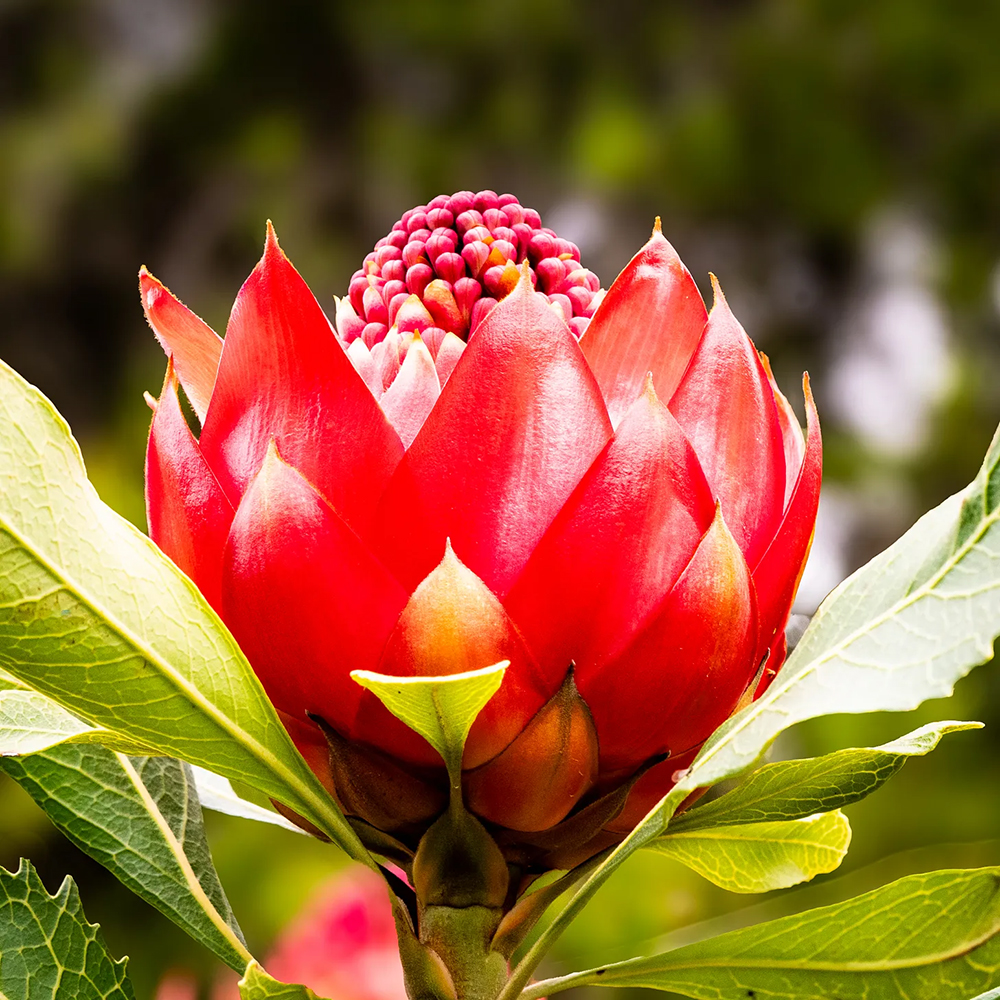
More Spring Color: in the South-Eastern Australia Highlands
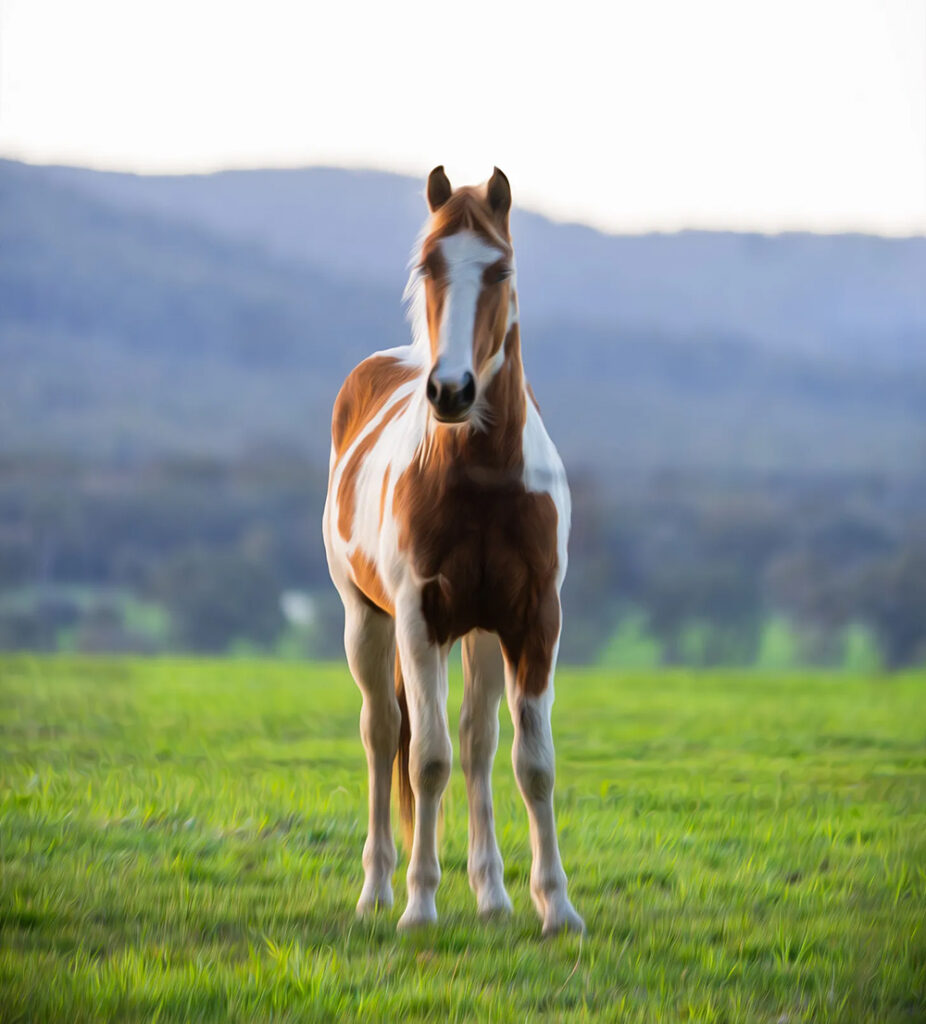
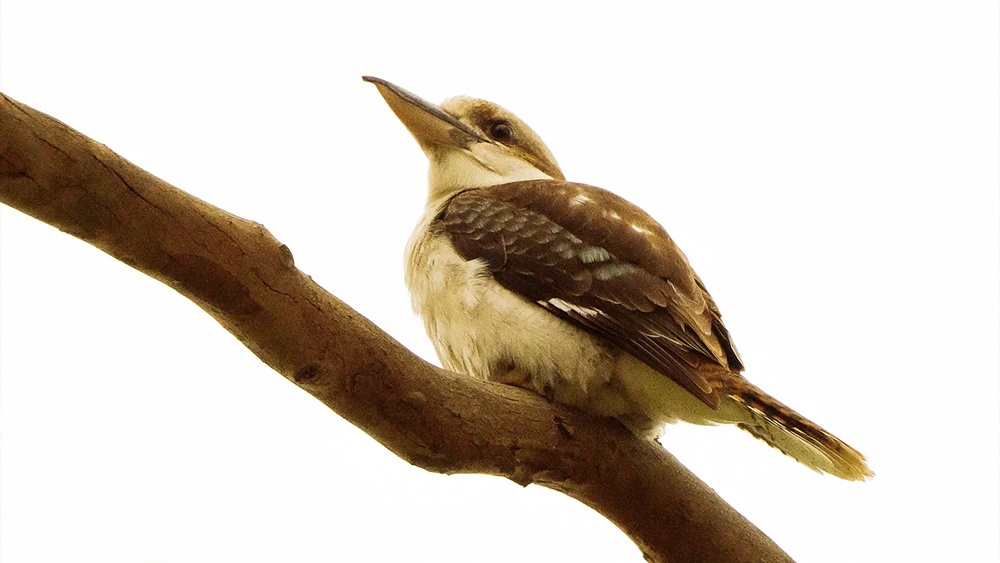
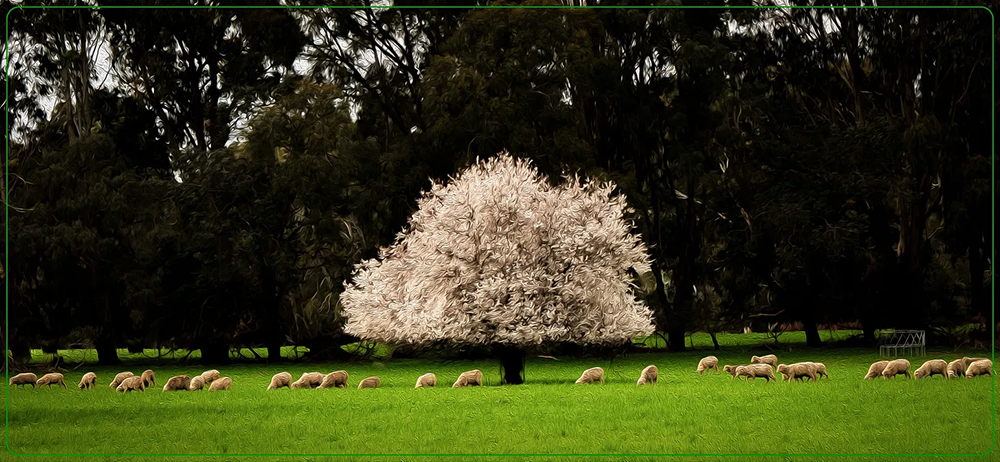

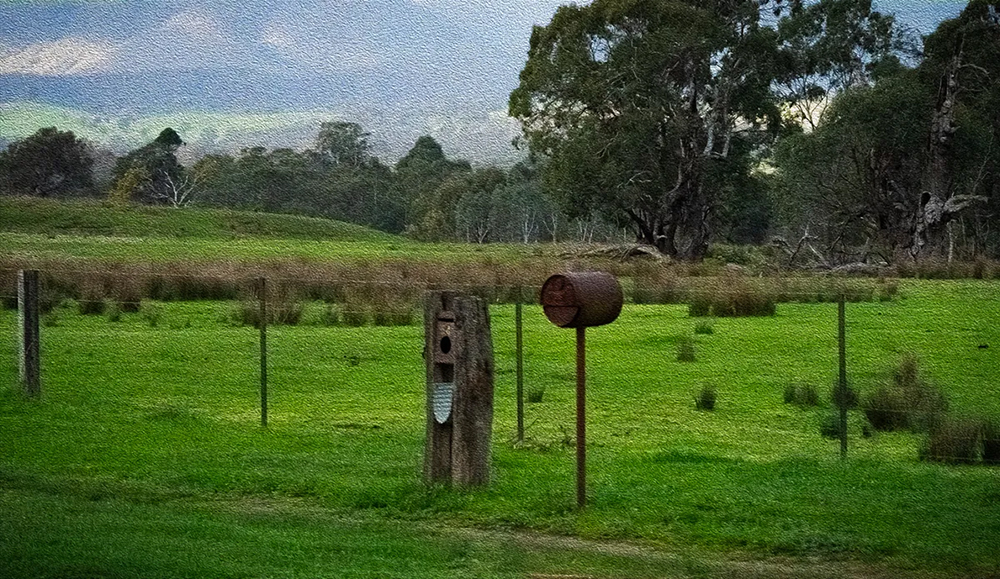
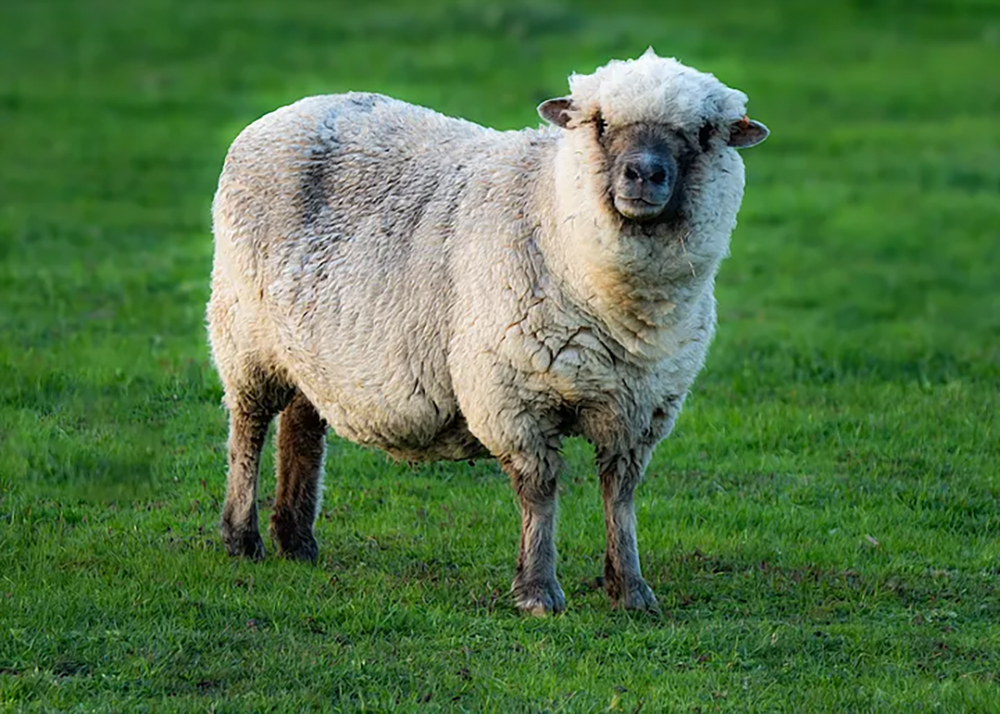
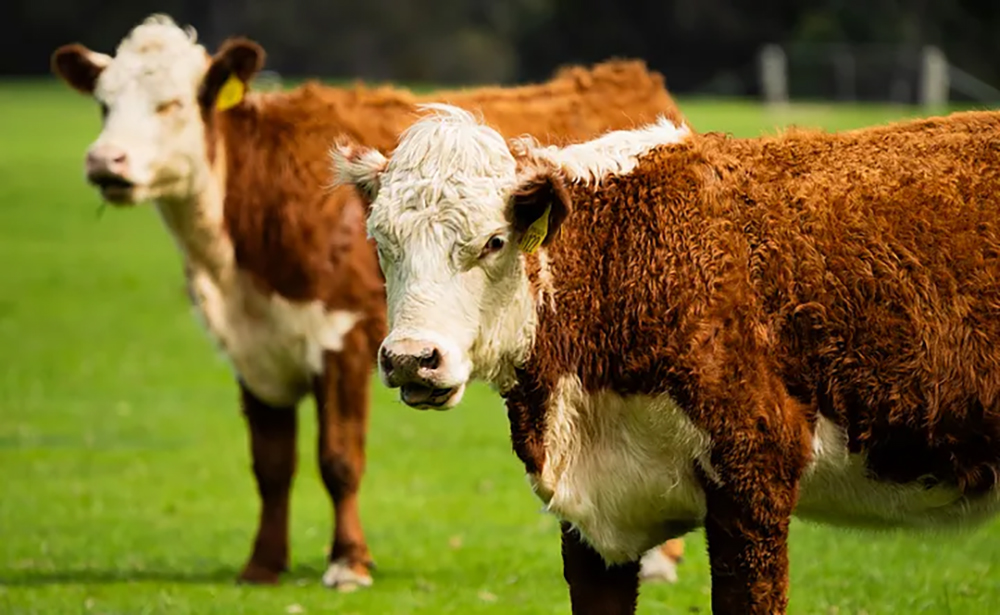
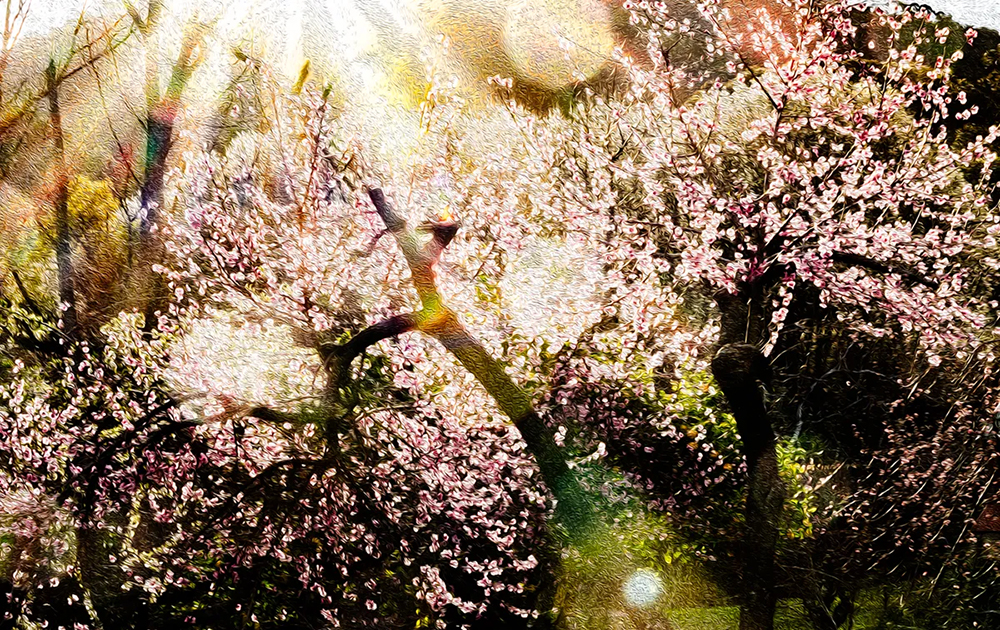
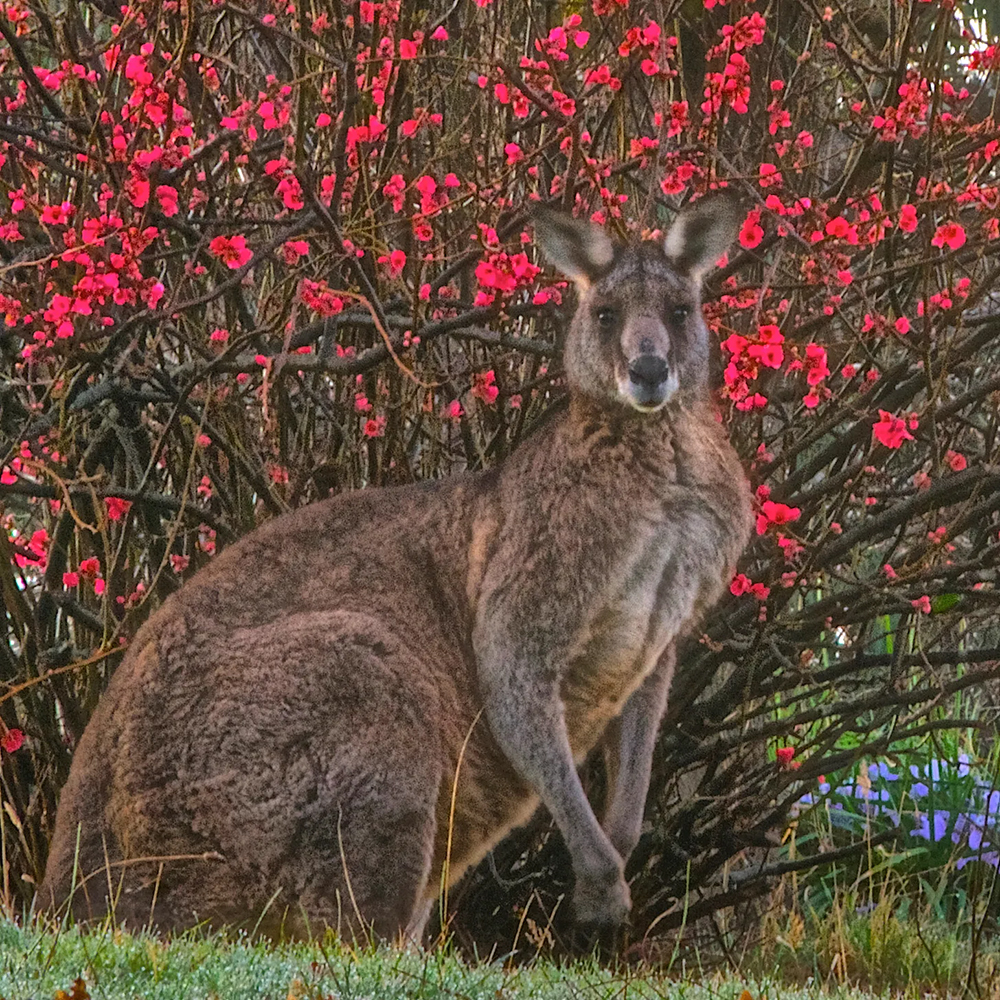
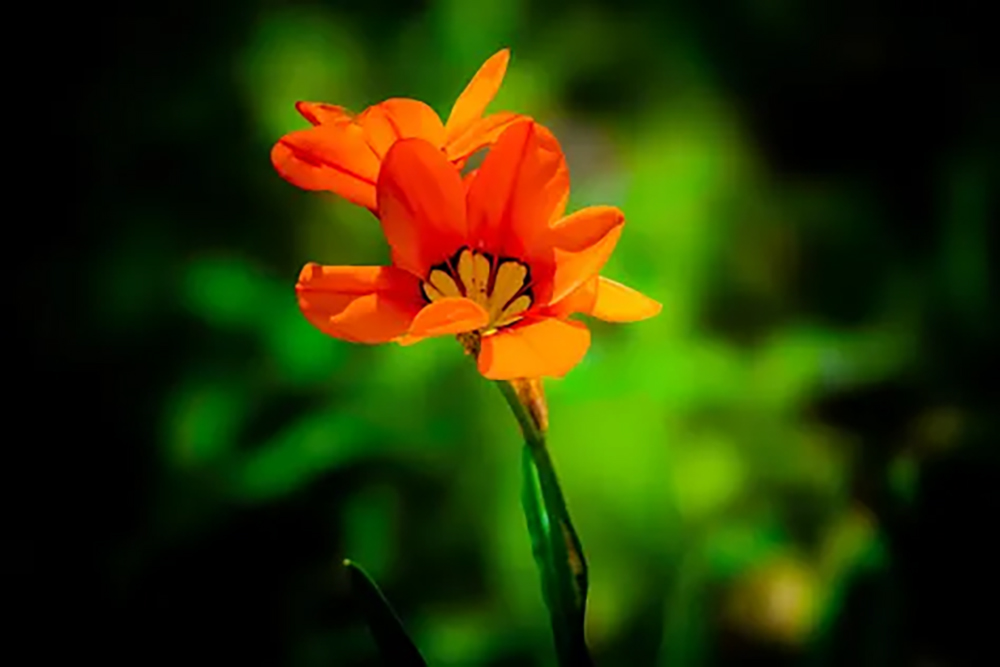
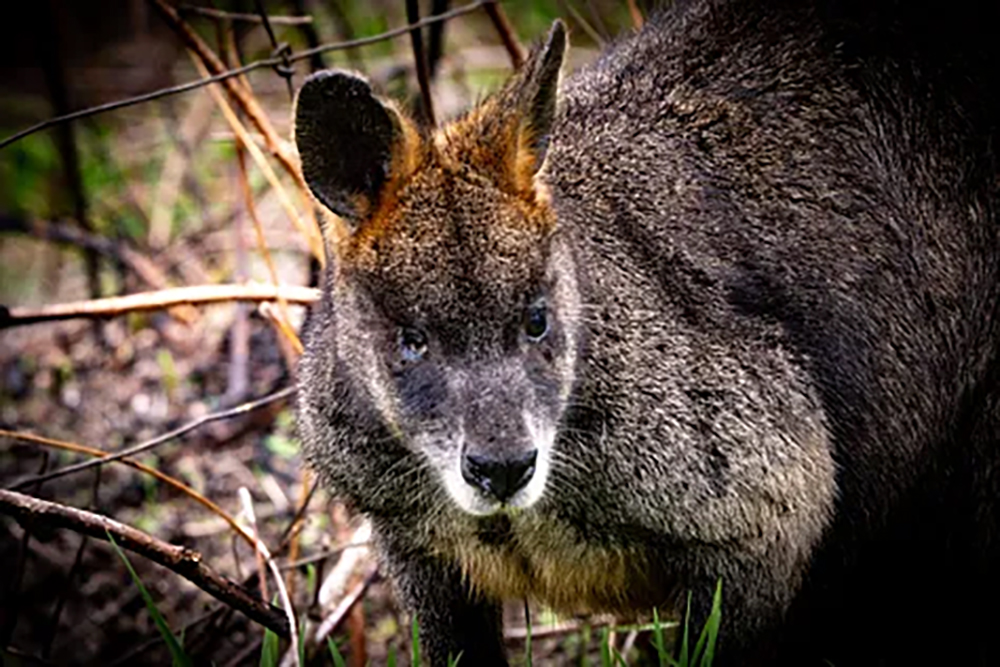
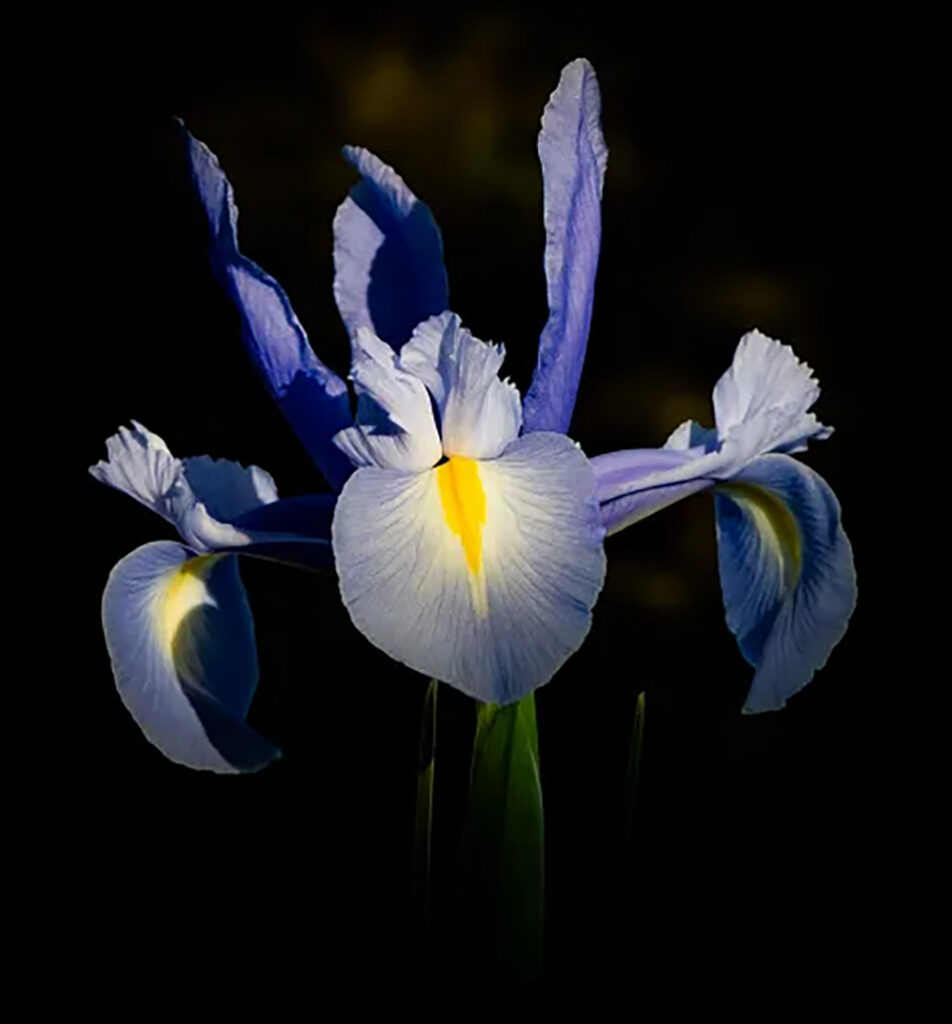
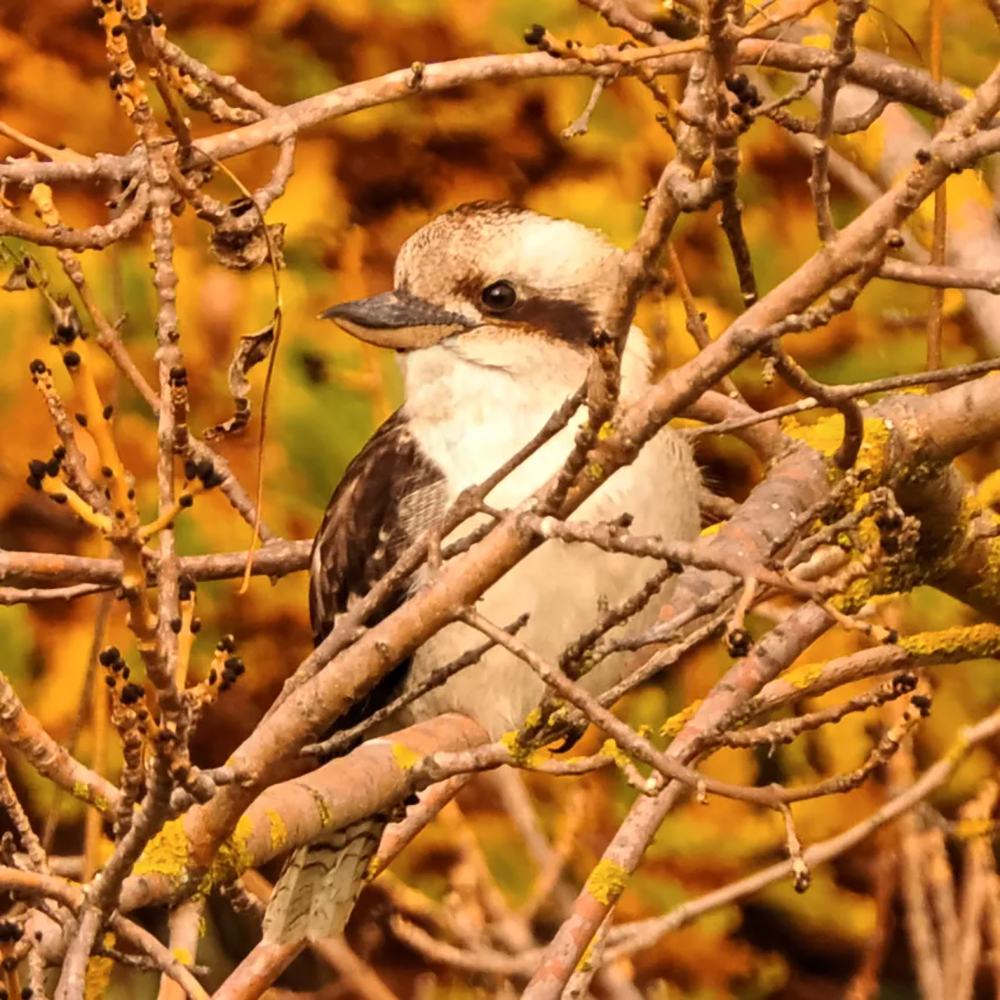
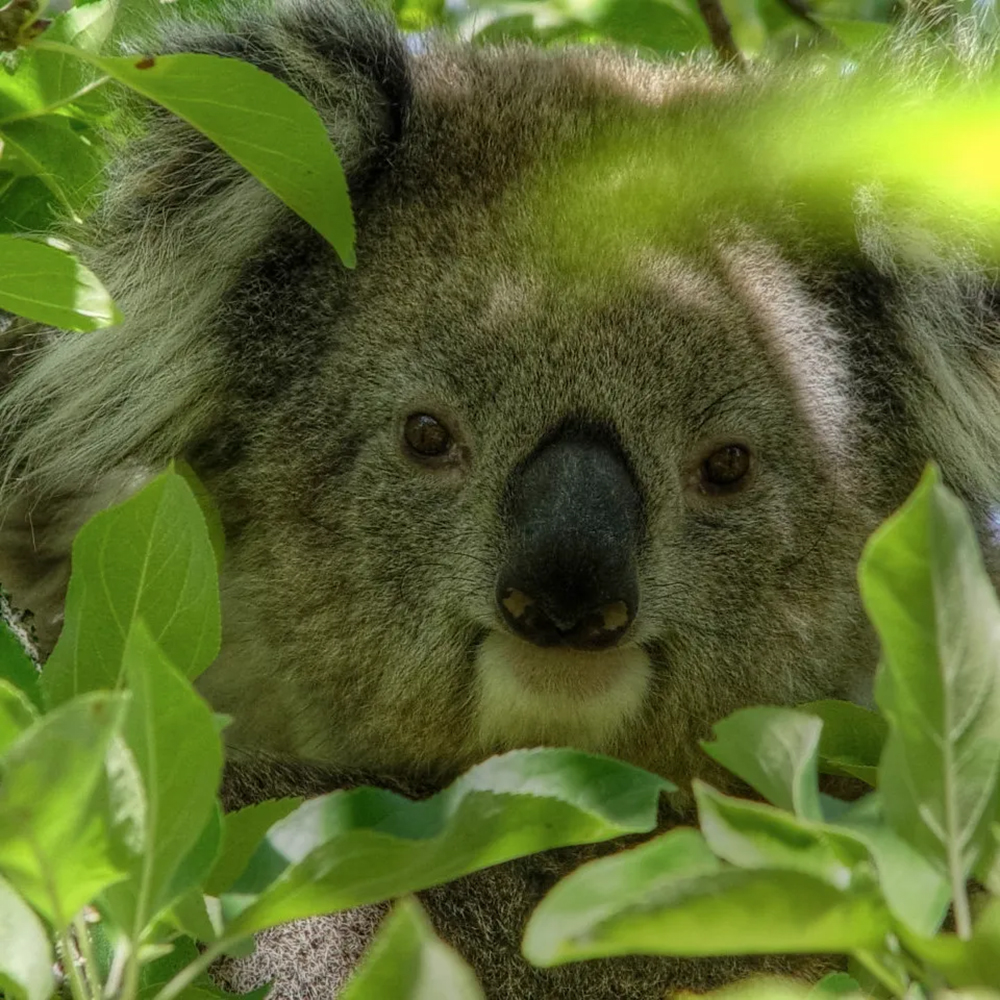
Of course, this “down under” interlude had far more to do with family — being with our children and grandchildren — than wildlife or pastoral scenes.
The phenomenon of magpies attacking in spring is a perfect example of a global reproductive phenomenon. While the specific season varies by hemisphere and climate zone, the vast majority of animal births worldwide are timed to coincide with the period of peak resource abundance, which in temperate climates tends to be spring (and early summer). In the southern hemisphere, spring is September, October and November. We are upside down, of course, because in the northern hemisphere, spring is generally equated with the months of March, April, and May.
Further, in the northern hemisphere, spring includes the celebratory season of “Easter,” which for Christians of all persuasions, is by far the most potent concept of renewal, including the prospect of rebirth after death to the renewal of resurrection and eternal life. In any event, spring, regardless of geography or culture is a time to celebrate blossoms and flourishing of all kinds.
So even the magpie attacks out of blue sky, rather than being a negative, have the overwhelming tendency to remind me positively of all the best and beautiful things that I associate with spring. §


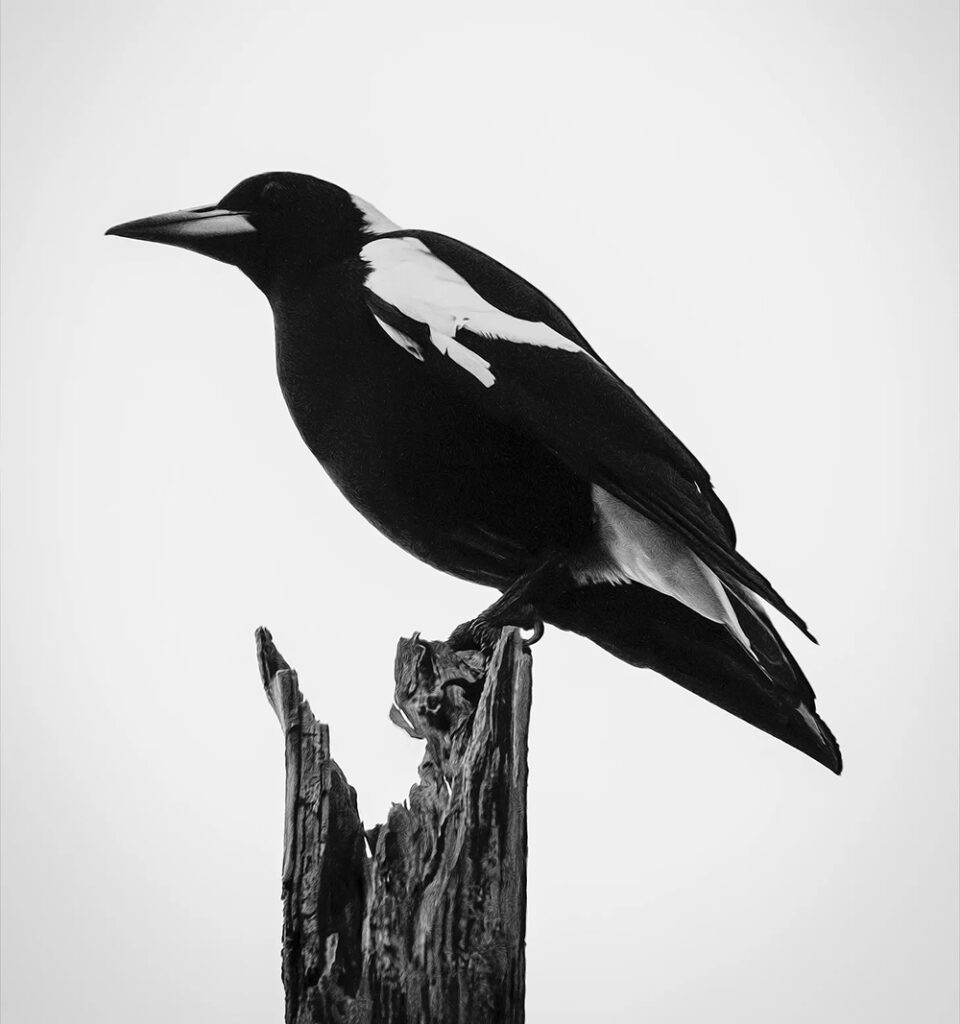
- The Australian Magpie is the mascot of Australia’s largest sporting club, an Australian Rules Football club, based in Melbourne, the Collingwood Magpies (collingwoodfc.com.au). Although I have been a devoted follower of the “Magpies” for as many of my seventy years as I can remember, that apparently has never earned me a single free passage when encountering the Magpie Army diligently guarding their nests in rural Australia. ↩︎